Introduction
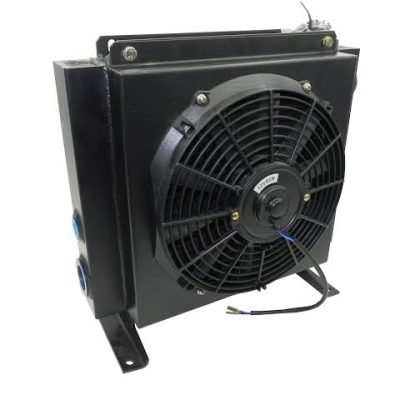
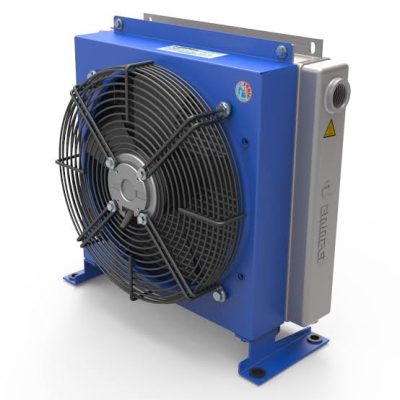
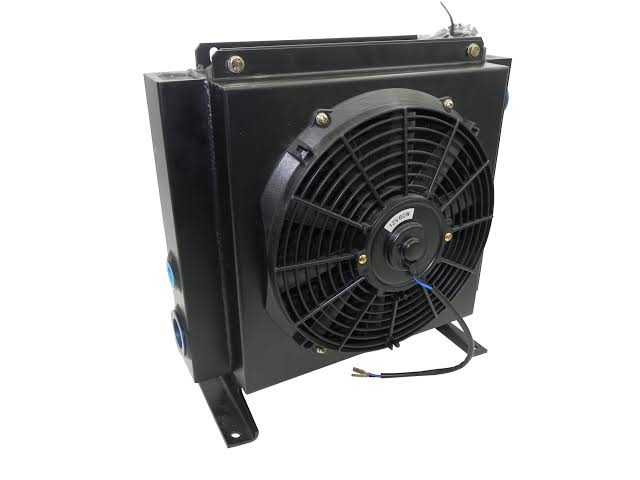
Hydraulic systems power some of the most demanding equipment in the world, from excavators and cranes to injection molding machines and marine steering systems. But all that power comes with a byproduct: heat. Without proper temperature control, hydraulic fluid can quickly overheat, leading to a cascade of mechanical problems. Installing a hydraulic oil cooler is one of the most effective ways to prevent this, and the benefits go far beyond simply keeping oil temperature in check.
Let’s explore the top advantages of adding or upgrading a hydraulic oil cooler in your equipment.
1. Extended Component Lifespan
Heat is one of the biggest enemies of hydraulic components. When fluid temperatures rise above the recommended range, seals, gaskets, and O-rings begin to degrade faster than normal. Pumps and motors also experience increased internal wear as hot, thin fluid fails to provide adequate lubrication. A hydraulic oil cooler keeps fluid within its ideal operating range, significantly extending the lifespan of pumps, valves, cylinders, and hoses.
This translates directly into fewer replacement parts and lower long-term maintenance costs.
2. Improved System Efficiency
Hydraulic fluid that’s too hot loses viscosity, which affects how efficiently it transmits power through the system. This can result in sluggish cylinder movement, inconsistent pressure, and reduced overall performance. By maintaining a stable operating temperature, a hydraulic oil cooler helps ensure your equipment runs at peak efficiency, delivering consistent power and responsiveness even during demanding tasks.
3. Reduced Downtime
Unexpected equipment failure is costly, both in repair expenses and lost productivity. Overheating is a leading cause of hydraulic pump and motor failure. A properly functioning hydraulic oil cooler reduces the risk of heat-related breakdowns, helping you avoid unplanned downtime and keeping your operations running smoothly.
4. Lower Fluid Replacement Costs
Hydraulic fluid naturally degrades over time, but excessive heat accelerates this process through oxidation and thermal breakdown. Overheated fluid often needs to be changed more frequently, which adds up in both material and labor costs. A hydraulic oil cooler slows down this degradation, allowing fluid to last longer and reducing the frequency of costly fluid changes.
5. Better Protection for Seals and Hoses
Rubber seals and hoses are particularly sensitive to heat. Prolonged exposure to high temperatures causes them to harden, crack, and eventually fail, often leading to leaks. Leaks not only waste hydraulic fluid but can also create safety hazards and environmental concerns. Keeping fluid temperatures in check with a hydraulic oil cooler helps preserve the integrity of these critical sealing components.
6. Consistent Performance in Harsh Conditions
Equipment operating in hot climates or under continuous heavy loads is especially prone to overheating. A hydraulic oil cooler ensures that machinery performs reliably even in challenging environments, whether it’s a construction site in summer heat or a manufacturing plant running around the clock. This consistency is especially important for industries where downtime directly impacts revenue.
7. Energy Savings Over Time
While it might seem counterintuitive that adding a component could save energy, an efficiently cooled hydraulic system often requires less energy to operate. Overheated systems can experience increased internal friction and resistance, forcing pumps to work harder. By maintaining optimal fluid viscosity, a hydraulic oil cooler helps the system operate more efficiently, which can translate into modest energy savings over time.
8. Environmental and Safety Benefits
Overheated hydraulic fluid is more likely to leak or fail, which can result in fluid spills, fire hazards, and environmental contamination. By preventing overheating, a hydraulic oil cooler reduces these risks, supporting safer working conditions and helping companies meet environmental compliance standards.
9. Better Return on Equipment Investment
Heavy machinery represents a significant capital investment. Protecting that investment means minimizing wear and maximizing service life. A hydraulic oil cooler is a relatively low-cost addition compared to the price of replacing a hydraulic pump or motor, making it one of the most cost-effective ways to protect your equipment investment over the long run.
10. Flexibility Across Applications
Whether you’re running mobile equipment, stationary industrial machinery, or marine hydraulic systems, there’s a hydraulic oil cooler designed to fit your specific needs. Air-cooled units work well for mobile and remote applications, while water-cooled units offer compact, efficient cooling for indoor industrial settings. This flexibility means nearly every hydraulic system can benefit from proper cooling.
Choosing the Right Cooler to Maximize These Benefits
To fully realize these benefits, it’s important to select a hydraulic oil cooler that matches your system’s heat load, flow rate, and operating environment. An undersized cooler won’t provide adequate protection, while an oversized one may add unnecessary cost and complexity. Consulting technical specifications or working with a knowledgeable supplier can help you find the right balance.
When researching options, many buyers today compare hydraulic oil cooler online listings to evaluate specifications, pricing, and customer reviews before making a purchase. This approach allows for informed decision-making and ensures compatibility with existing hydraulic systems.
Conclusion
The benefits of installing a hydraulic oil cooler extend well beyond simple temperature control. From extending component lifespan and reducing downtime to improving efficiency and protecting your investment, a properly sized and maintained hydraulic oil cooler is one of the smartest additions you can make to any hydraulic system. If your equipment doesn’t already have adequate cooling, now is a good time to evaluate your options and invest in long-term reliability.