Introduction
Choosing the right hydraulic oil cooler can feel overwhelming, especially with so many types, sizes, and specifications available on the market. Buy one that’s too small, and it won’t adequately protect your system. Buy one that’s oversized or incompatible, and you risk wasting money on unnecessary capacity or dealing with installation headaches. This step-by-step guide walks you through everything you need to know before making a purchase, whether you’re replacing an existing unit or outfitting a new hydraulic system.
Step 1: Understand Your System’s Heat Load
Before shopping for a hydraulic oil cooler, you need to know how much heat your system actually generates. Heat load is typically influenced by:
- Pump horsepower and efficiency
- Duty cycle (how often and how hard the system operates)
- System pressure
- Ambient temperature where the equipment operates
Many manufacturers provide heat load calculators or worksheets to help estimate this figure in BTUs per hour or kilowatts. If you’re unsure, consulting with a hydraulic systems engineer or supplier can help you arrive at an accurate number before you start comparing coolers.
Step 2: Determine the Right Cooling Type
There are two primary types of hydraulic oil coolers to choose from:
Air-Cooled Coolers
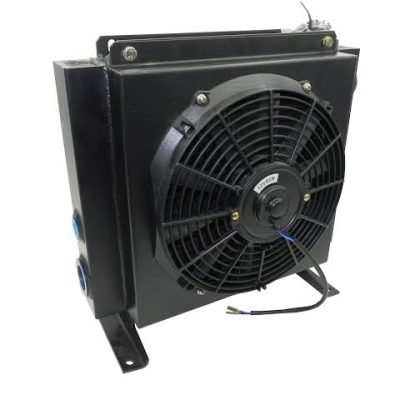
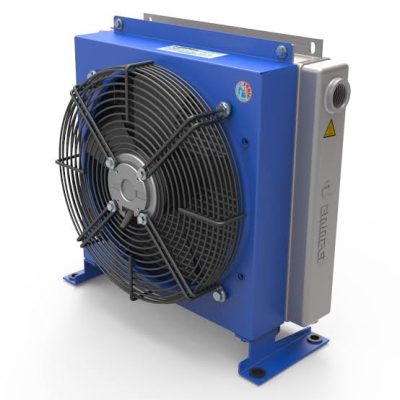
Best suited for mobile equipment or locations without a reliable water source. These units use a fan to dissipate heat into the surrounding air. They’re relatively easy to install but can be less efficient in extremely hot climates.
Water-Cooled Coolers
Ideal for stationary industrial equipment where a water supply is available. These units are typically more compact and offer more consistent cooling performance, but they require plumbing and periodic maintenance to prevent scale buildup.
Your choice will largely depend on your equipment’s mobility, available infrastructure, and ambient operating conditions.
Step 3: Match Flow Rate to Your Hydraulic Pump
Every hydraulic oil cooler has a rated flow capacity, usually measured in gallons per minute (GPM) or liters per minute (LPM). This rating needs to align with your hydraulic pump’s output. If the cooler’s flow rate is too low, it can create backpressure and restrict system performance. If it’s significantly higher than necessary, you may be paying for capacity you don’t need.
Check your pump specifications and choose a cooler rated to handle that flow rate comfortably, with a small margin for peak demand periods.
Step 4: Check Pressure Ratings
Hydraulic systems operate under significant pressure, and your cooler needs to be rated to handle it safely. Always verify the maximum operating pressure of the cooler and compare it to your system’s working pressure, including any pressure spikes that may occur during operation. Choosing an underrated cooler can lead to leaks, failures, or dangerous ruptures.
Step 5: Consider Space and Mounting Requirements
Available space often dictates what type and size of hydraulic oil cooler you can install. Mobile equipment like excavators or loaders typically require compact, lightweight units that can be mounted without interfering with other components. Stationary industrial systems generally have more flexibility, allowing for larger, more powerful coolers if needed.
Measure your available mounting space and airflow clearance (for air-cooled units) before finalizing your selection.
Step 6: Factor in Ambient Operating Conditions
The environment where your equipment operates plays a big role in cooler performance. Air-cooled units, in particular, are sensitive to high ambient temperatures, as they rely on the temperature difference between the oil and surrounding air to dissipate heat. If you operate in a hot climate or an enclosed space with limited airflow, you may need a larger air-cooled unit or consider switching to a water-cooled design.
Step 7: Review Material and Build Quality
Hydraulic oil coolers are typically constructed from aluminum, copper, or steel, each with different durability and corrosion resistance characteristics. Aluminum coolers are lightweight and cost-effective, making them popular for mobile applications. Copper and stainless steel options tend to offer better corrosion resistance, which is important in marine or heavy-industrial environments.
Step 8: Compare Options When Buying a Hydraulic Oil Cooler Online
Today, it’s easier than ever to compare a hydraulic oil cooler online through manufacturer websites and industrial supply platforms. When comparing listings, pay close attention to:
- Full technical specifications (heat dissipation, flow rate, pressure rating)
- Included accessories (fans, mounting brackets, fittings)
- Warranty terms and manufacturer support
- Shipping costs and lead times
- Verified customer reviews from similar industries
Buying from an established supplier with clear documentation reduces the risk of receiving a mismatched or low-quality unit.
Step 9: Confirm Compatibility with Your Existing System
Before finalizing your purchase, double-check that the cooler’s inlet and outlet fittings are compatible with your existing hydraulic lines, or confirm that adapter fittings are available. Also verify electrical requirements if the unit includes a fan motor, ensuring voltage and power compatibility with your equipment.
Step 10: Plan for Installation and Maintenance
Once you’ve selected the right hydraulic oil cooler, consider how it will be installed and maintained going forward. Air-cooled units will need regular cleaning to prevent dust and debris from blocking airflow. Water-cooled units require monitoring for scale buildup and consistent water quality. Factor these ongoing maintenance requirements into your decision, especially if your team has limited time for upkeep.
Common Mistakes to Avoid
- Underestimating heat load — leads to insufficient cooling capacity
- Ignoring ambient conditions — especially with air-cooled units in hot climates
- Overlooking pressure ratings — risking leaks or component failure
- Choosing based on price alone — cheaper units may lack durability or proper certification
- Skipping compatibility checks — resulting in fitting mismatches during installation
Conclusion
Buying the right hydraulic oil cooler doesn’t have to be complicated if you approach it methodically. Start by calculating your system’s heat load, choose the appropriate cooling type, and carefully match flow rate and pressure ratings to your equipment. Whether you’re comparing a hydraulic oil cooler online or working directly with a supplier, taking the time to verify specifications and compatibility will help you avoid costly mistakes and ensure reliable performance for years to come.